Finish options


FRAX
FRAX S
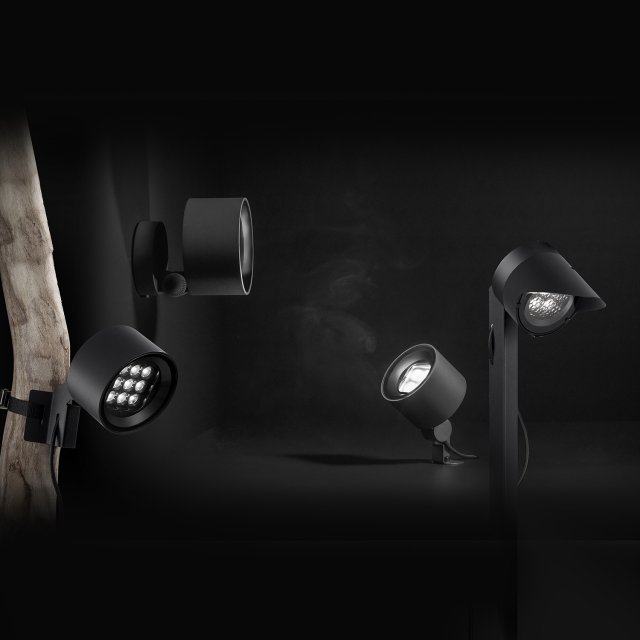
El equipo de ingenieros y expertos en óptica de Delta Light está en una búsqueda continua para igualar el credo de diseño de la compañía con una calidad de luz óptima. La luz y el ambiente no son solo para interiores. Al combinar la luz y la arquitectura, los ambientes al aire libre también se mantienen vibrantes por la noche. Con Frax hemos tomado nuestra fascinación por el haz de luz perfecto en el exterior. Distribución de luz de corte limpio para mejorar su experiencia al aire libre. Con 7 efectos de luz diferentes y múltiples opciones de instalación, Frax ha sido diseñado para cada aspecto de la arquitectura urbana: cualquier forma, material o composición.
PRECISIÓN ÓPTICA
Frax se basa en la tecnología LED Caset® de Delta Light, que combina múltiples LED con lentes de colimador individuales por LED para generar una distribución de luz limpia. Las lentes individuales crean una distribución de luz de múltiples capas para generar un ángulo de haz limpio de 8° o 14°. Se obtienen otros ángulos de haz u otros efectos de luz añadiendo microlentes en la parte delantera, esculpiendo la luz en un ángulo de haz de 26° o 47° o en un efecto lineal o bañador de pared. Como tal, no importa qué tamaño de FRAGMA se utilice, cada ángulo de haz tendrá el mismo resultado.
BIENESTAR VISUAL
Frax no solo se preocupa por el efecto de luz perfecto, también se preocupa por el transeúnte. Frax se puede proporcionar con un panal adicional o un kap para reducir la posibilidad de mirar directamente a la fuente de luz. Ambos reducen cualquier efecto de luz no deseado y el deslumbramiento asociado al mismo.
HECHO PARA ENTORNOS DUROS
Clasificación húmeda IP65
IK 06 gracias al vidrio de 5 mm de espesor para Frax S
IK 08 gracias al vidrio de 8 mm de espesor para Frax M
Componentes resistentes a los rayos UV para una mayor vida útil
Protector térmico en el interior para evitar el sobrecalentamiento de la luminaria
D-Lock: Bloqueo de humedad diseñado internamente para evitar que la humedad entre en la luminaria
INSTALACIÓN FÁCIL
Además de las amplias posibilidades ópticas, Frax también ofrece una gama de diferentes opciones de montaje. De serie, la luminaria viene en una base redonda, pero también se puede optar por instalar el cabezal de la luminaria en un pasador, en una correa o en un soporte simplificado con la versión Base. De esa manera, Frax puede transformarse fácilmente para instalarse entre la vegetación, alrededor de un árbol, poste o cualquier otra superficie. Para facilitar la instalación de múltiples luminarias Frax, se integra una escala de grados en la bisagra, perfecta para una orientación precisa y un efecto de luz repetitivo adecuado.
MATERIALES Y ACABADOS
Para evitar el problema de oxidación y corrosión de los productos de exterior, Delta Light utiliza una selección de primera de aleaciones de aluminio con bajo contenido en cobre. La protección por tratamiento de anodización, en todos los componentes adecuados, incluidos los de aluminio fundido a presión, mejora la resistencia a la corrosión. La capa de conversión a base de titanio ofrece una capa protectora adicional para la protección antes de la pintura de poliéster final.
Aplicamos extensos tratamientos superficiales previos a la pintura para obtener la máxima protección contra la corrosión, como el lavado con ácido para limpiar la superficie, el enjuague con agua desmineralizada para eliminar los residuos y la aplicación de un tratamiento de conversión química para proteger contra la oxidación.
Nuestro revestimiento de color en polvo de poliéster se basa en resinas de poliéster saturadas, aplicadas electrostáticamente y curadas en horno a 200°, lo que garantiza una alta resistencia al envejecimiento atmosférico y a la exposición a la luz ultravioleta. La pintura superficial extra resistente está garantizada por pruebas de corrosión filiforme con una exposición de más de 1500 h.
Todos los procedimientos de recubrimiento son seguidos por pruebas cuidadosas diarias. Se mantienen constantemente controles estrictos sobre los parámetros de cada paso del proceso, como la pureza, el pH, las concentraciones químicas, la temperatura, etc. adherencia de la capa.
PRECISIÓN ÓPTICA
Frax se basa en la tecnología LED Caset® de Delta Light, que combina múltiples LED con lentes de colimador individuales por LED para generar una distribución de luz limpia. Las lentes individuales crean una distribución de luz de múltiples capas para generar un ángulo de haz limpio de 8° o 14°. Se obtienen otros ángulos de haz u otros efectos de luz añadiendo microlentes en la parte delantera, esculpiendo la luz en un ángulo de haz de 26° o 47° o en un efecto lineal o bañador de pared. Como tal, no importa qué tamaño de FRAGMA se utilice, cada ángulo de haz tendrá el mismo resultado.
BIENESTAR VISUAL
Frax no solo se preocupa por el efecto de luz perfecto, también se preocupa por el transeúnte. Frax se puede proporcionar con un panal adicional o un kap para reducir la posibilidad de mirar directamente a la fuente de luz. Ambos reducen cualquier efecto de luz no deseado y el deslumbramiento asociado al mismo.
HECHO PARA ENTORNOS DUROS
Clasificación húmeda IP65
IK 06 gracias al vidrio de 5 mm de espesor para Frax S
IK 08 gracias al vidrio de 8 mm de espesor para Frax M
Componentes resistentes a los rayos UV para una mayor vida útil
Protector térmico en el interior para evitar el sobrecalentamiento de la luminaria
D-Lock: Bloqueo de humedad diseñado internamente para evitar que la humedad entre en la luminaria
INSTALACIÓN FÁCIL
Además de las amplias posibilidades ópticas, Frax también ofrece una gama de diferentes opciones de montaje. De serie, la luminaria viene en una base redonda, pero también se puede optar por instalar el cabezal de la luminaria en un pasador, en una correa o en un soporte simplificado con la versión Base. De esa manera, Frax puede transformarse fácilmente para instalarse entre la vegetación, alrededor de un árbol, poste o cualquier otra superficie. Para facilitar la instalación de múltiples luminarias Frax, se integra una escala de grados en la bisagra, perfecta para una orientación precisa y un efecto de luz repetitivo adecuado.
MATERIALES Y ACABADOS
Para evitar el problema de oxidación y corrosión de los productos de exterior, Delta Light utiliza una selección de primera de aleaciones de aluminio con bajo contenido en cobre. La protección por tratamiento de anodización, en todos los componentes adecuados, incluidos los de aluminio fundido a presión, mejora la resistencia a la corrosión. La capa de conversión a base de titanio ofrece una capa protectora adicional para la protección antes de la pintura de poliéster final.
Aplicamos extensos tratamientos superficiales previos a la pintura para obtener la máxima protección contra la corrosión, como el lavado con ácido para limpiar la superficie, el enjuague con agua desmineralizada para eliminar los residuos y la aplicación de un tratamiento de conversión química para proteger contra la oxidación.
Nuestro revestimiento de color en polvo de poliéster se basa en resinas de poliéster saturadas, aplicadas electrostáticamente y curadas en horno a 200°, lo que garantiza una alta resistencia al envejecimiento atmosférico y a la exposición a la luz ultravioleta. La pintura superficial extra resistente está garantizada por pruebas de corrosión filiforme con una exposición de más de 1500 h.
Todos los procedimientos de recubrimiento son seguidos por pruebas cuidadosas diarias. Se mantienen constantemente controles estrictos sobre los parámetros de cada paso del proceso, como la pureza, el pH, las concentraciones químicas, la temperatura, etc. adherencia de la capa.
- Lúmina lumina
- 448 lm - 740 lm
- CRI
- 90
- CCT
- Blanco Halógeno (+2700K) Blanco Cálido (+3000K)
- Potencia de luminaria
- 9 W
- Distribucion de luz
- Simétrico Bañador de pared
- Capacidad de ajuste
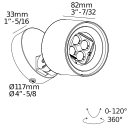
- 0° to 120° giratorio, 360° orientable
- JA8 Certified
- no
- Cumplante de ADA
- no